
Autumn seed decisions: establishment, varieties and legume research
Winter wheat (Triticum aestivum) · Field peas (Pisum sativum) · Perennial ryegrass (Lolium perenne)
Observation period: 2026-01-01 – 2026-10-09
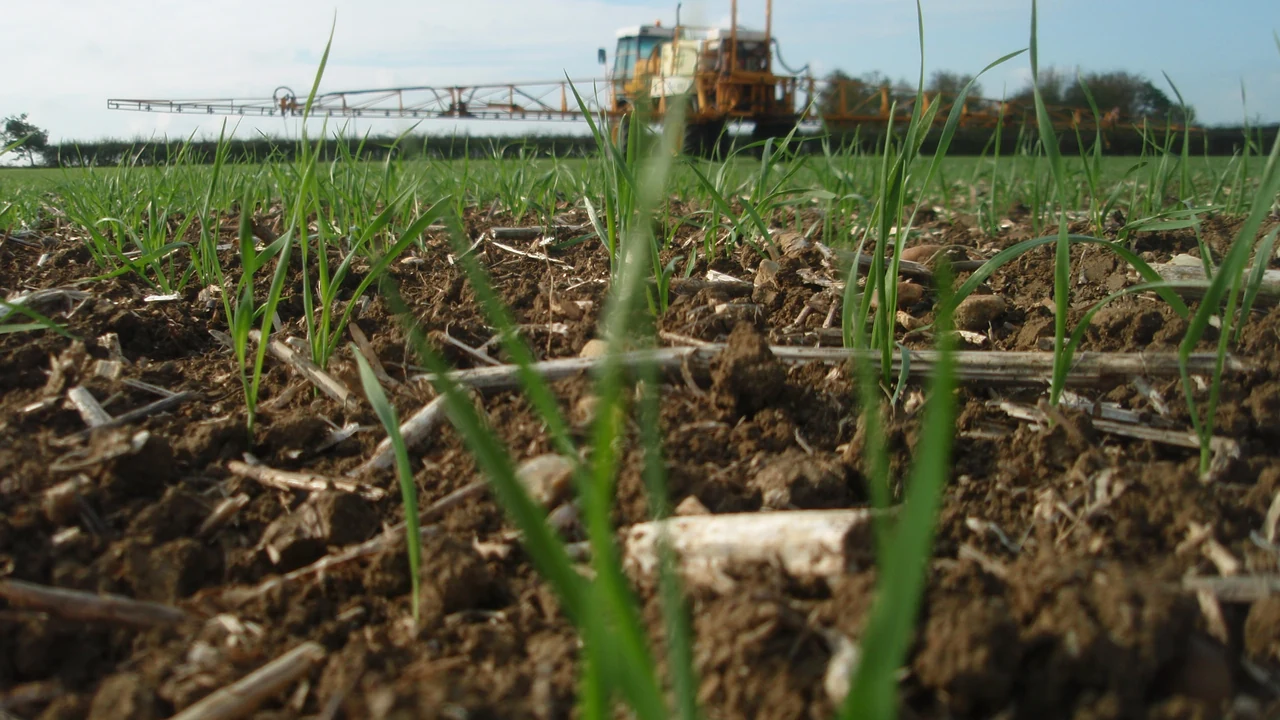

Photo credits
CC BY-SA 2.0 · Image adapted for display.
Illustrative photograph; not evidence of the reported event.
French technical institutes and Ireland’s official variety list offer complementary evidence for cereals, oilseed rape, grain legumes and forage seed choices. Their regional advice and research summaries do not establish EU-wide performance rankings.
Why it matters
Match variety evidence to local soils, disease risks and intended use. Research announcements are not proof of a yield advantage or a prescription for seed-production fields.
Cereals: inspect the seedbed
ARVALIS’s 1 October advisory links cereal establishment to seedbed moisture and weed history. For winter wheat (Triticum aestivum) and winter barley (Hordeum vulgare), inspect fields before timing operations. The article’s early-October rain outlook is historical, not a forecast for today.
Oilseed rape: observe crop development
Terres Inovia’s 2 October Normandy advisory describes variable oilseed rape (Brassica napus) development under warmth and drought. Its growth-regulator decision starts with the observed crop, not temperature totals alone. This is regional management guidance, not evidence that all fields need treatment.
Legumes: research, not a proven variety claim
Terres Inovia’s 9 October research report covers winter pea (Pisum sativum) diseases and genetic resources for lentil (Lens culinaris) and chickpea (Cicer arietinum). It describes research activity, not newly proven disease-resistant varieties or quantified farm-level benefits.
Forage seed: match varieties to conditions
The DAFM Grass and White Clover Recommended List Varieties for Ireland 2026, hosted by Teagasc, draws on multi-location, multi-year evaluation. Perennial ryegrass (Lolium perenne) and white clover (Trifolium repens) choices depend on maturity, management and Irish conditions. This does not certify seed-lot quality or rank varieties for every EU region.
Sources & References
- Terres Inovia · Légumineuses : les travaux de Terres Inovia partagés sur la scène internationale ·
- ARVALIS · Semis de céréales 2026 : attendre ou anticiper le retour des pluies ? ·
- Terres Inovia · Régulateur à l’automne : la question ne se pose… qu’au cas par cas ·
- Teagasc · Grass and White Clover Recommended List Varieties for Ireland 2026